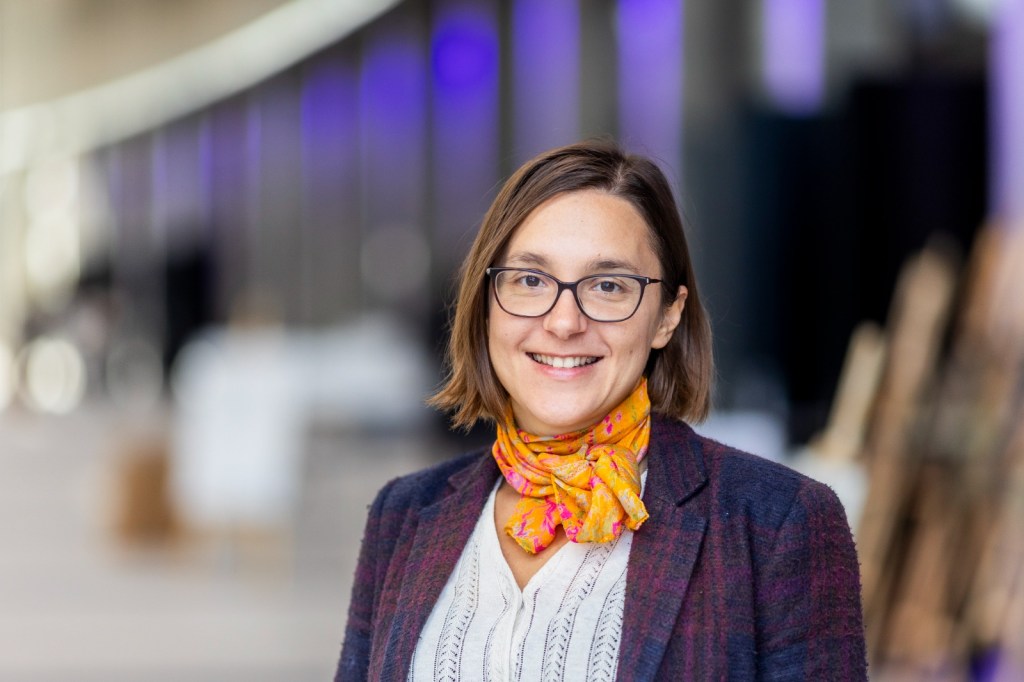
A native English speaker living in France, I work as a French <> English simultaneous and consecutive interpreter in social, academic and corporate settings.
I also translate into English from French, Italian and Serbo-Croatian (BCMS), and proofread academic texts.
I am a member of two professional associations: the SFT (French Translators’ Association) and ATESS (Association for Translation in Social Sciences), for which I am an active Board member.
I have lived in Bosnia, Algeria, Scotland, Italy, England, France, the United States and Croatia. This international background informs my practice, which is grounded in linguistic precision and close attention to cultural context. I am currently based in Lille, France, and am available to work in Paris, London and Brussels, all just a short train ride away.
I hold a degree in Modern Languages from the University of Cambridge and a Master’s degree in European Affairs from Sciences Po Paris. My academic path also led me to take courses at the École normale supérieure (ENS Ulm), in the Serbo-Croatian (BCMS) department at the Sorbonne, to complete professional certifications with the London School of Journalism and the University of Geneva, and finally to train in conference interpreting at the Université libre de Bruxelles.
As a translator and proofreader, I work on texts relating to European and international affairs, the environment, social sciences and corporate communication.
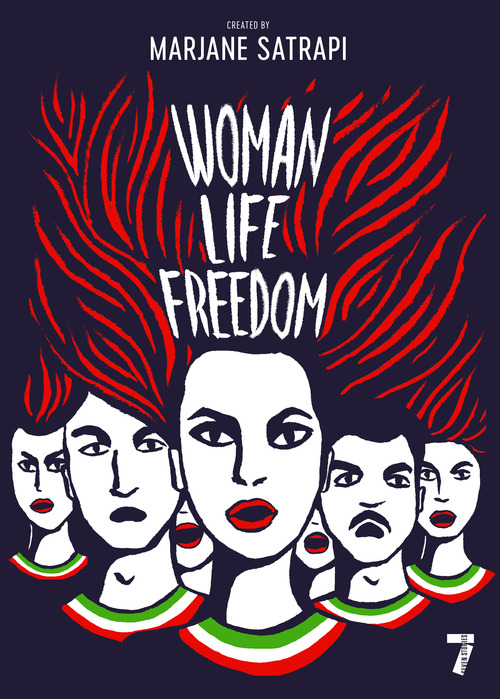
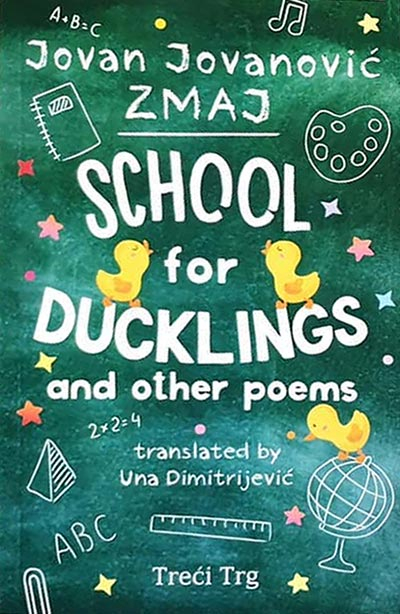
Alongside this, I have developed a more creative practice in the fields of art and culture, including poetry, children’s literature and subtitling. In particular, I have subtitled over one hundred documentaries for the ARTE TV channel and translated around a dozen poets from the Balkans. I work primarily in the north of France and travel elsewhere as much as I can.
A few institutions and companies that have used my translation and interpreting services
“Efficient, responsive, thoughtful… highly recommended!”
— Elise Julien, Sciences Po Lille
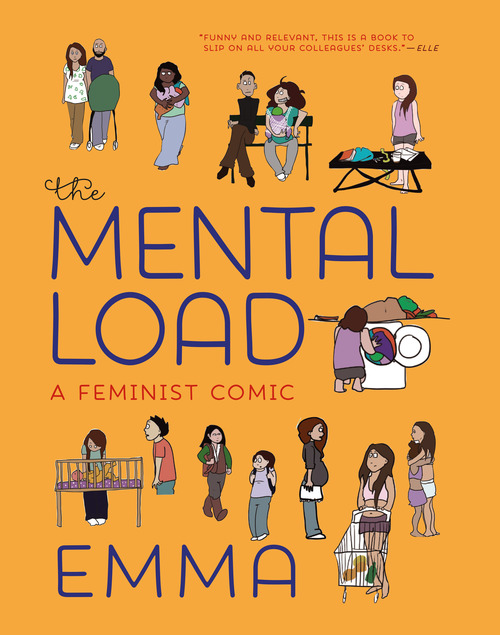
A selection of my more creative published translations



FAQs
What’s the difference between translation and interpreting?
I translate when words live on the page, and I interpret when they come alive in conversation. Translation is about shaping documents; interpreting is about connecting people in real time. Both demand precision, nuance and cultural understanding — just in very different ways.
What types of interpreting do you do?
Simultaneous: I interpret in real time, often from a booth at conferences.
Consecutive: I take notes and speak after the speaker pauses, ideal for meetings or speeches.
Liaison: I work interactively in smaller, informal settings like visits or negotiations.
Remote: I interpret online for shorter meetings when all of the participants can’t be in the same room.
Why not use AI for interpreting?
Interpreting isn’t just about words — it’s about meaning. Accents, hesitations, humour, subtext and context all matter, and real-life settings are rarely quiet or predictable. I adapt in real time, even with background noise, imperfect audio or challenging environments, and I ensure confidentiality throughout. That’s something AI still can’t do.
Can’t I just use machine translation?
Machine translation can give you a rough draft, but it can’t capture tone, nuance, cultural subtleties, or adapt your text for a different readership or academic context. When translating, I do research and exchange with clients throughout the process to make sure every text reads naturally, stays true to the original meaning, and is polished to a professional standard.


 UNA DIMITRIJEVIC